Ghanaian Banknotes: History, Evolution, and Design Changes
The Ghanaian cedi (GHS) is the official currency of Ghana, first introduced in 1965 under the authority of the Bank of Ghana. Since then, the nation’s banknotes have undergone several transformations to strengthen security, reflect cultural identity, and adapt to economic realities.
Early Currency & Colonial Influence
Before independence in 1957, Ghana—then known as the Gold Coast—used currency issued by the West African Currency Board (WACB), including the West African pound, shillings, and pence. These colonial-era notes circulated widely across British West Africa until Ghana established its own central bank in 1957.
The Introduction of the Ghanaian Cedi
In July 1965, Ghana replaced the Ghana pound with the cedi and pesewa, adopting the decimal system to modernize its monetary structure. The first cedi notes featured national symbols and portraits of President Kwame Nkrumah, reflecting Ghana’s new independence and aspirations.
Key Banknote Series & Design Changes
First Issue (1958–1965) – Ghana pounds, shillings, and pence issued by the Bank of Ghana after independence, marking the transition from colonial currency.
Second Issue (1965–1967) – Introduction of the cedi and pesewa; designs emphasized Ghana’s sovereignty and modernization.
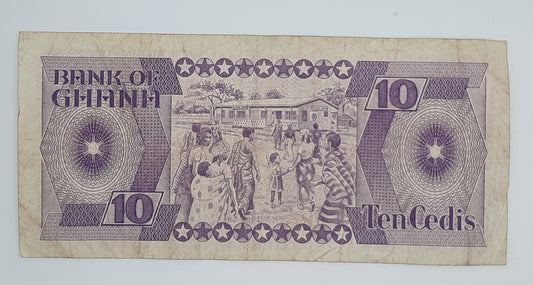
Third Issue (1967–2007) – Multiple redesigns to improve security and adapt to inflation. Notes featured Ghanaian leaders, cultural motifs, and economic themes.
Redenomination & Fourth Issue (2007–Present) – The cedi was redenominated (10,000 old cedis = 1 new cedi). Current notes showcase Ghana’s heritage, architecture, and natural resources, with advanced security features such as watermarks, holograms, and color-shifting elements.
Modern Advancements & Sustainability
Today’s Ghanaian banknotes incorporate durable substrates and enhanced anti-counterfeiting technologies, ensuring reliability in circulation. Designs highlight Ghana’s rich cultural diversity, historic landmarks, and economic progress, reinforcing national pride while meeting international standards of security and sustainability.